
MEET THE FOUNDER
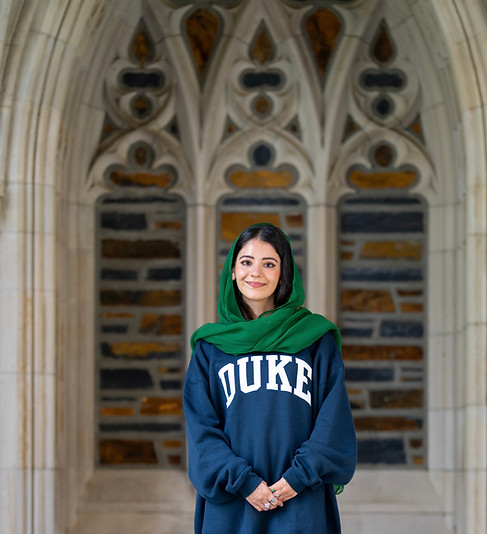
Heela Yoon
Peace is not a project. It is infrastructure.
For six years, I worked across the international peace and humanitarian sector. Through AYAPO, the organisation I founded in Afghanistan, we reached over 43,000 families with mental health workshops, humanitarian aid and leadership training. We achieved scale, but I kept seeing the same gap: people received emergency support, but not always the emotional care, trusted networks and practical tools they needed to recover, reconnect and move forward.
In policy and crisis response, mental health is often treated as something to address later. But there is no “later” for people living with trauma. When emotional pain has nowhere to go, it can become distrust, isolation, family pressure, community tension and cycles of harm that formal systems struggle to reach.
I have supported people through some of their worst moments and seen how much responsibility is placed on community workers, women, volunteers and families with little training, few referrals and almost no support system behind them.
Care cannot depend on presence alone.
MUSKA exists to make crisis response more complete. We call this emotional infrastructure: support that begins with basic needs, builds trusted community connection and gives people access to mental health tools they can use in daily life.
GROUND.
Humanitarian support for people facing crisis, displacement and immediate need.
CIRCLE.
Community-based mental health work with health practitioners, local partners and trusted support networks.
POCKET.
The MUSKA app, giving people simple wellbeing tools they can access privately, wherever they are.
“After years in peacebuilding and humanitarian response, I built MUSKA to address what crisis systems often leave behind: trauma, disconnection and the care people need to rebuild their lives.”
I did not build MUSKA as a side project. I built it because I have seen how humanitarian systems can keep people alive, while still leaving them without the emotional support, trusted networks and practical tools they need to rebuild their lives.